Osteoporosis is one of those conditions that carries a lot of fear and misunderstanding. For years, people have been told that their bone density score is the ultimate predictor of fractures, frailty, and loss of independence. But the reality is more complex—and far more encouraging. Hearing people talk about DEXA scan results, it’s like a black or white “Pass” or “Fail” mark based off the results alone. I often see people at the clinic who are extremely anxious after being told they have “low bone density” – osteoporosis or osteopenia – on a DEXA scan. Many believe this means they’re fragile or destined for fractures. Thankfully, that’s not the case.
Don’t get me wrong, DEXA scans are an integral part of the bigger picture of bone and life health –they give us important and useful information, and at the very least can sometimes be like a “light bulb moment” when people realise they need to get serious about their bone health. But there are a few myths around Osteoporosis (and low DEXA readings) that I would like to shed more light on!
The following information is based on an excellent blog written by Dr Chris Leib, a licensed Doctor of Physical Therapy, and Strength and Conditioning specialist, which was published in one of our Physiotherapy educational resources “Physio Network”.
The Myths Around Bone Density
Myth 1: A low bone density score means you’re guaranteed to fracture
The World Health Organization defines osteoporosis based on a DEXA scan T-score of -2.5 or lower. While this score helps doctors classify bone density, it’s not the full picture of your fracture risk.
In fact, research has shown that more than half of fractures in older women occur in people who don’t have an osteoporosis diagnosis. This means plenty of people with “normal” bone density can still sustain fractures.
So what’s going on? The truth is that fractures are caused by more than just bone density. Things like your balance, muscle strength, coordination, reaction time, and even your ability to recover from a trip or stumble are all important.
The bottom line is that bone density is only one factor – an important one! However, how well your body functions plays a huge role in whether you’re likely to fracture.
Myth 2: Improving bone density should be the main treatment goal
When people are diagnosed with osteoporosis, they’re often told the main priority is to increase their bone mineral density (BMD). Specific medications can improve BMD in some people and reduce fracture risk—but they don’t address what’s truly important: your ability to move, load your bones, and prevent falls.
A strong predictor of fracture risk is body mass—and more specifically, muscle mass. People with low body weight are at greater risk of osteoporosis and fractures, not simply because of lighter bones, but because low weight often goes hand-in-hand with lower muscle mass. Less muscle means less protection around joints, less strength to catch you if you stumble, and less resilience overall.
Often the focus in health is on “losing weight” especially when dealing with conditions such as lower limb arthritis, but for many people with bone density issues the focus might need to be the complete opposite: that’s why our focus can be on improving muscle strength, lean body mass, and functional movement, rather than just chasing a better number on a scan.
Myth 3: If you can’t gain weight, you’ll always have weak bones
Some people naturally have smaller frames or struggle to gain weight. This can feel worrying if you’ve been told your bone density is low. But again, weight isn’t the only piece of the puzzle.
A light individual with good muscle strength, balance, and no history of falls may be at much lower risk than someone heavier but weak and sedentary.
Studies have shown that simple measures like grip strength, walking speed, and the ability to rise from a chair can all predict fracture risk—sometimes even more reliably than bone density scores. So even if your weight doesn’t change, you can dramatically reduce your risk by working on your strength, balance, and coordination.
Myth 4: Strong bones come from calcium tablets and milk alone
Calcium and vitamin D are important nutrients, but they are far from the full solution. Your bones are living tissue, and they respond to the stresses placed on them.
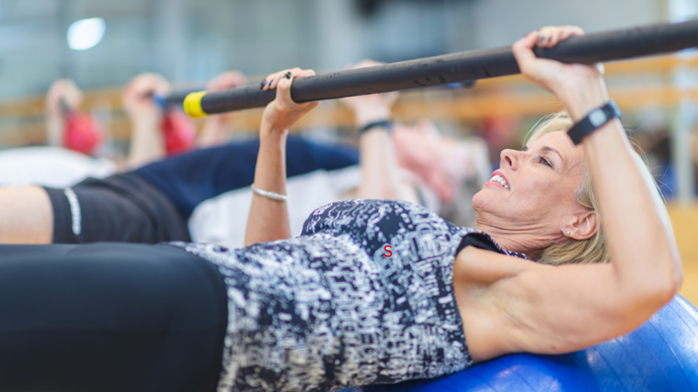
This is why resistance training—lifting weights or using bodyweight exercises—is one of the most effective ways to build stronger bones. A well-known study (the LIFTMOR trial) showed that heavy resistance training in women with low bone mass not only improved bone density but also boosted strength and posture—without causing fractures.
This study has really challenged our previous in-grained beliefs, proving that supervised high-intensity exercise is safe and more effective than the lighter routines that are often prescribed. So while diet and supplements matter, the real “medicine” for bones is movement and loading.
Focus on more than just your DEXA score!
Here are the areas we encourage patients to prioritise:
- Build lean muscle mass: Muscle protects bone, improves metabolism, and supports better function in daily life. Getting those muscles a little bigger is very protective!
- Improve your strength relative to body weight: Being able to lift, carry, climb stairs, or get up from the floor builds resilience, builds muscle mass, increases function and increases confidence.
- Prevent falls: Most fractures happen during falls. Improving balance, reaction time, and mobility is critical – not just avoiding falls but being able to recover quickly if one happens. And this is just as important for those that don’t have low bone density.
- Train functional movement patterns: Exercises like squats, deadlifts, pushes, pulls, and carries are practical, safe, and build whole-body resilience. Plus, they are relevant to the way you need to move in your everyday life!
- Get an individualised plan: Everyone’s risk factors are different. A fit, active person with low bone density is not the same as a frail, inactive person with a similar scan result. Tailored advice is key.
Scans don’t tell the whole story
Osteoporosis isn’t the only condition where imaging results don’t match real-life experience. Osteoarthritis, for example, is often seen on X-rays of people who have no pain at all. Studies show up to 40% of people with severe-looking arthritis on scans report no symptoms.
In the same way, many people with osteoporosis live active, independent lives without ever breaking a bone. Both conditions remind us that how you feel and how you function matters far more than what a scan shows.
Key takeaways for patients
- A low bone density score doesn’t mean you’re fragile.
- Medications and supplements can help, but they’re only part of the solution.
- Strength training, balance, and muscle mass are the most powerful tools you have to protect yourself.
- Scans are useful, but they don’t define your future.
- Independence, confidence, and resilience come from building a stronger body, not just chasing a number.
Final thoughts
Osteoporosis can feel frightening when reduced to just a simple number from a scan result, but it doesn’t have to define your future. You have more control than you might think. By training smart, moving often, and building muscle, you can lower your risk of falls and fractures, maintain your independence, and continue to live an active, fulfilling life.
I now consistently see people coming to the clinic, excited and proud of the improvement in their DEXA scores – something we never thought possible. Osteoporosis was always thought of as a progressive condition, with the best outcome being a slowing down of the condition. But with the knowledge we have now, and the focus on balance, movement and resistance training, we are starting to see the amazing impact we can have on your osteoporosis and falls/fracture risk.
At our physiotherapy clinic, we focus on empowering people with the right exercises and strategies to build resilience. We run over 60 classes per week with this exact focus (a combination of Strength & Pilates classes). Because at the end of the day, you are not your scan—you are the strength, mobility, and confidence you create through movement.
Anthony Lance
SSPC Physiotherapist
References available on request