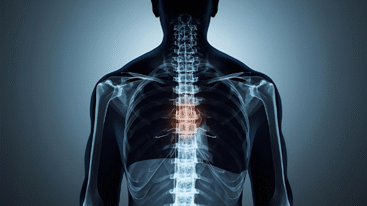

Modern research now confirms what we have observed for years: “muscle strength is one of the strongest predictors of long-term health and lifespan”.
If there was a pill that could reduce your risk of heart disease, diabetes, osteoporosis, falls, dementia, and premature death — while also improving your energy levels, posture, confidence, and independence — it would be prescribed to almost everyone. That “pill” already exists. It’s called strength, or resistance training.
At our clinic, we see daily how building strength changes lives — not just for athletes, but for everyday people who want to stay active, independent, and healthy for decades to come. In fact, some of the greatest and most rewarding changes are in our non-athletic population.
Muscle: More Than Just Movement
Low muscle mass and low strength are now recognised as independent risk factors for chronic disease and early mortality.
For a long time, muscles were thought of primarily as “movers” of our skeleton. We now know they function more like a metabolic organ – a unique body tissue that functions as an incredible chemical stimulator, helping co-ordinate and synchronise many body functions other than just physical movement. In fact, one study found that close to 10,000 chemicals were significantly up-or-down regulated after exercise!
Other than just moving our bones, healthy muscle tissue is involved in regulating blood sugar; improving cholesterol levels; reducing systemic inflammation; supporting our immune function; protecting joints and bones; and improving hormone regulation. One large study involving over 140,000 adults found that higher muscle strength was associated with a 31% lower risk of death from any cause, regardless of aerobic fitness levels.
Strength isn’t just about looking strong — it’s about staying alive and well.
What Happens Inside Your Body When You Strength Train?
Every time you strength train, you send a biological message to your muscles, bones, heart, immune system and brain to become stronger, healthier, and more resilient!
Let’s look at some of the major physiological changes following strength training that create these powerful benefits.
Muscle Fibers Grow Stronger and More Efficient
Resistance training stimulates muscle fibers to adapt by increasing fiber size (hypertrophy), improving fiber recruitment, and enhancing nerve-to-muscle signalling
This means your body learns to use your muscles more efficiently and produce more force with less effort.
Bone Density Increases
Strength training places healthy stress on bones, triggering bone-building cells called osteoblasts, which in turn increases bone mineral density, reduces fracture risk and slows age-related bone loss. This is especially important for post-menopausal women and adults over 50, where osteoporosis risk rises sharply.
Studies show resistance training can increase bone density by 1–3% per year, which is clinically significant for fracture prevention
Blood Sugar Control Improves
Muscle is the body’s primary storage site for glucose.
When you strength train, muscles become more insulin sensitive which means blood sugar is absorbed more efficiently and Type 2 diabetes risk is reduced
Heart Health Improves
Although many people associate heart health with cardio exercise alone, strength training can lower resting blood pressure, improve cholesterol profiles, reduce arterial stiffness and improve vascular function.
One study found adults who performed resistance training twice per week had a 23% lower risk of cardiovascular events
Inflammation Drops (see the “Amazing Facts” section below)
Chronic low-grade inflammation is linked to aging, arthritis, heart disease, and cognitive decline.
Regular resistance training has been shown to reduce inflammatory markers, improve immune regulation, and slow the biological aging processes.
Muscle releases anti-inflammatory compounds called myokines, which protect organs throughout the body.
Brain Health and Mental Wellbeing Improve
Strength training isn’t just physical — it’s neurological. Benefits have been seen with improved memory and cognitive function, reduction of depression and anxiety symptoms, improved sleep quality, and increasing confidence and resilience.
A large systematic review found resistance training significantly improved mental health outcomes across all age groups
How Much Strength Training Do You Need?
The key to strength training is consistency and appropriate progression.
The current global recommendation is:
- 2–3 strength sessions per week
- Targeting all major muscle groups
- Using progressive resistance (gradually increasing load)
Sessions do not need to be long — 30–45 minutes can be highly effective.
Strength Training Adds Years — And Life to Those Years!
Strength training doesn’t just help you live longer — it helps you live better.
Being stronger means:
- Staying independent longer
- Playing with grandchildren
- Avoiding falls and fractures
- Maintaining mobility
- Reducing medication reliance
- Preserving confidence and autonomy
In one major study, adults who performed resistance training had a 21% lower risk of premature death compared to those who did none.
Some Amazing Facts
Get A Grip On Your Health
A landmark study in The Lancet followed over 500,000 people and found that grip strength was a stronger predictor of death than blood pressure.
One of the simplest and most powerful measurements of overall health is hand grip strength. Why? Because grip strength reflects total body muscle function and nervous system health.
Research has shown that low grip strength predicts a higher risk of cardiovascular disease, is associated with increased hospitalisation rates, predicts disability and loss of independence and correlates strongly with all-cause mortality!
In other words — how strong you are may matter more than many traditional medical markers.
Health & Longevity Is a Balancing Act
In 2022, researchers found that people who could not stand on one leg for 10 seconds had an 84% higher risk of death over the next 7 years compared to those who could
Strength training directly improves balance which is another key predictor of long-term health.
Good balance reflects lower limb strength, nervous system coordination, joint stability, reaction speed and falls risk – and falls remain one of the leading causes of injury-related death in older adults.
Strong muscles = better balance = fewer falls = longer independence.
Exercise – The Natural Antibiotic
In a fascinating study in 2003, researchers investigated how regular endurance training affects the body’s inflammatory response. The team injected a small, safe dose of E. coli endotoxin (a standard laboratory model used to simulate infection) into two groups — highly trained cyclists and inactive control participants. The results were striking.
The inactive group produced a large inflammatory response, marked by high levels of pro-inflammatory cytokines, while the trained cyclists showed a much smaller inflammatory reaction despite receiving the same immune challenge. This demonstrated that regular exercise does not weaken immunity — it actually trains the immune system to respond more efficiently and with better control, reducing harmful chronic inflammation while still maintaining effective defence against infection.
This “anti-inflammatory effect” is now considered one of the key mechanisms through which regular physical activity protects against heart disease, diabetes, arthritis, and age-related chronic illness.
Final Thought
Strength is not about age, appearance, or athletic ability. It is about building the physical foundation that supports your health for decades to come.
And the best time to start? Today.
If you would like help starting or upgrading your strength program, the SSPC team is ready to support you every step of the way.
Anthony Lance
SSPC Physiotherapist
References available on request