I was sent an excellent link to an article last week, by a long-suffering back pain patient of mine, and I thought it was worth sharing the context of this research with you all.
The article was titled “New study links fear and misunderstanding about back pain to spinal surgery demand” and studies the impact that our thoughts and beliefs can have on our pain perception.
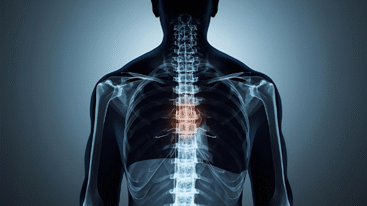
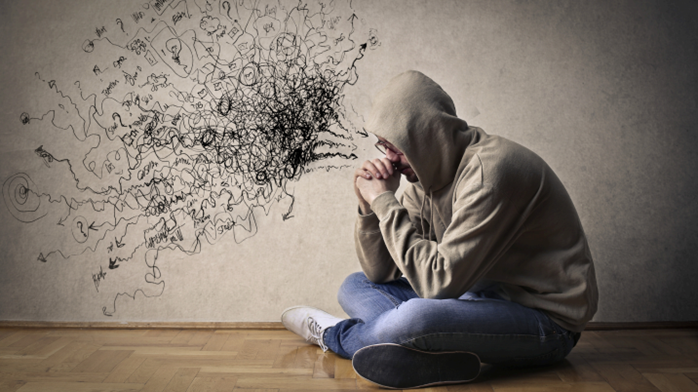
When patients come to our clinic with spinal pain, they often assume the biggest factor driving their symptoms is what’s happening in their spine: bulging discs, degenerative joints, multi-level arthritis, bone spurs, spondylosis – these big words that are so often seen in scan reports create fear, and fear creates beliefs that won’t necessarily help your chances of progress and improvement.
Your beliefs about pain can be just as powerful as the pain itself.
This new research, conducted by the University of South Australia and published in Australian Health Review has found that people with more negative or fearful beliefs about their back pain are 2.6 times more likely to consider spinal surgery — regardless of the actual severity of their symptoms. Part of the research also involved a survey of adults with chronic back pain, and found that 24% were willing to undergo spinal surgery within five years – that is one in four people!
The strongest predictors of wanting surgery weren’t scan results and reports, or how damaged someone believed their spine was — the strongest predictor was negative pain beliefs and low confidence in recovery.
Participants were asked things like:
- “Do you worry your pain will worsen or never go away?”
- “Does your pain stop you from living a normal life?”
- “Do you believe the pain means something seriously wrong is happening in your body?”
The people who held negative beliefs around these questions were dramatically more likely to consider surgery, even though research shows most spinal surgeries, particularly fusions, offer no better long-term outcomes than high-quality non operative care.
How Negative Beliefs Amplify Pain (not just spinal pain)
Thoughts and beliefs change the way the brain and nervous system process pain.
Modern neuroscience shows that pain is an output created by the brain after it evaluates many factors, including:
- Your past experiences
- How threatening you believe the pain is
- Your emotional state
- Stress levels
- Your expectations of recovery
- What you’ve been told by health professionals, family, or Google
The pain doesn’t come from the damaged tissue, the pain is a warning signal from the brain, and the strength of this warning signal can be more related to the brain’s evaluation of many factors other than just the tissue damage itself. When someone believes their back, or any body part, is “damaged,” “unstable,” “degenerating,” or “beyond repair,” the brain becomes more protective. This leads to:
✔ Increased muscle tension
✔ More sensitivity around the spine
✔ Lower movement confidence
✔ Avoidance of activity
✔ Heightened pain signals
✔ Slower and more difficult recovery
Over time, this becomes a cycle of sensitisation where the nervous system becomes more reactive to smaller stimuli. This is one of the key pathways to developing chronic pain syndromes.
In other words, negative beliefs don’t just change how you think about pain — they can literally change how much pain you feel. Let me give you an example – think of a single person stubbing their toe as they miss a step – but I will place that same person in two different “life scenarios”:
Scenario 1: A person is on their way to the Lady Ga Ga concert – happy, excited, taking in the sound and colour and noise of all the excited people around them when they miss the step up to Marvel Stadium and stub their toe, causing no real damage other than a bruise. Whilst it initially hurt, this person is talking to a friend, is stimulated by the mayhem around them, and is busy trying to work out where their seats are. The brain is busy with everything but the toe! A few minutes later the toe is all but forgotten.
Scenario 2: One month later, the same person is coming home from a busy, stressful and highly emotional day at work, knowing they still have shopping to do, dinner to cook, work to prepare for tomorrow, house to clean, and exercise to do before their fun run in a week. Person A misses the front porch step, stubs their toe, causing no real damage other than a bruise. As the pain starts to develop, this person gets highly emotional and starts thinking: “Why me?”; “This is the worst possible time”; “My day could not possibly get any worse”; “Will I be able to do my fun run in a week”? “This is not fair, I stubbed the same toe a month ago”; “How bad is it?”. The person gets inside the house, immediately takes their shoe off, notices some redness, touches the toe for the next hour to see how sore it is (sensitising the brain even more to the soreness), and continues to dwell on how unfair the incident is, and how uncomfortable the toe is. The brain is busy with only the toe!
So… same person, same incident, same tissue “damage” – totally different pain response. In the second incident, the brain becomes focussed on the toe, registering every single signal coming from the toe. The brain becomes hypersensitive to the signals, and the emotional status of this person makes the brain responses even greater.
What is even more fascinating is we know the “damage” to the toe can start to heal, and even though the receptors in this previously damaged area are only sending normal messages to the brain, the brain remains sensitised to the toe region. Pain continues to be produced as a reflexive and responsive reaction to messages coming from the toe. One of my favourite sayings to patients is “If you go looking for your pain, you will find it”!
This is potentially the beginning of a chronic pain scenario. In extreme cases, we know that a previously injured region of the body can be perfectly healed, but pain remains because the brain continues to pick up ANY signal from that region and responds with pain as a protective warning.
Fascinating (unless you are the one experiencing the pain)!
Negative Beliefs and Chronic Pain: The Evidence Is Clear
Multiple research studies, including those in spinal pain, show that:
- Fear of movement predicts future disability
People who have the belief that “pain means damage” often move less, which weakens muscles, reduces confidence, and increases pain sensitivity.
- Catastrophising predicts higher pain intensity
Fearing the worst with thoughts like: “My back will never get better”, or “This pain means something serious”, heightens the nervous system response. This means the brain can detect even small and non-threatening movements but still respond with pain.
- Low expectations of recovery slow actual recovery
Believing your back (or any injured area) is fragile can undermine the body’s natural healing. Our spine (and other body tissues) need load and stress to be healthy and strong.
- Misunderstanding pain leads to unnecessary medical procedures
As highlighted in the new study, negative beliefs dramatically increase the likelihood of seeking spinal surgery or other unnecessary and more invasive medical interventions.
How Can You Change Your Thoughts & Beliefs?
- Learn how the pain system works.
This is the key! Education reduces fear — and reducing fear reduces pain.
- Challenge old beliefs about pain.
Pain does not mean damage. Calm does not equal weakness. Movement is not dangerous.
- Build movement confidence.
Gradual, supported exercise is one of the strongest treatments for back pain.
- Address stress and nervous system sensitivity.
Breathing, mindfulness, good sleep, pacing, and reassurance all calm the nervous system.
- Choose high-value care first.
Evidence strongly supports physiotherapy and multidisciplinary care before considering surgery.
- Work with clinicians who empower, not alarm.
Language like “degenerating”, “worn out”, or “unstable” can be harmful. Choose clinicians who explain pain with accuracy and optimism.
The Take-Home Message
Negative and incorrect pain beliefs don’t just influence how you feel your pain — they influence your decisions, your recovery, and your long-term outcomes.
“It wasn’t until I understood how pain really works and learned how to calm my system instead of fighting it that things began to change.”
This message aligns with what we teach in evidence-based physiotherapy every day:
understanding pain is a treatment in itself.
If you live with back or spinal pain, you deserve more than fear and uncertainty — you deserve information that empowers you.
And that starts with changing what you believe about pain.
Anthony Lance
SSPC Physiotherapist
References available upon request